
Creating a Seamless IT Infrastructure for Small Businesses

Overview
Small businesses must effectively integrate technology into their operations, focusing on creating a strong IT infrastructure that includes managed services, data analytics, and cybersecurity. Key strategies involve assessing business needs, embracing technology consulting, adapting to remote work, and choosing scalable technologies. A robust IT foundation supports growth and success in today's competitive landscape.
Contents
In today’s hyper-connected world, small businesses face the challenge of seamlessly integrating technology into their operations. The evolution of technology consulting has prompted a surge in demand for well-designed IT infrastructures that can accommodate the diverse needs of various sectors, especially healthcare. In this guide, we’ll explore effective strategies for creating an efficient IT infrastructure, focusing on key elements such as managed services, data and analytics, and how they contribute to the overall success of your small business.
Understanding IT Infrastructure
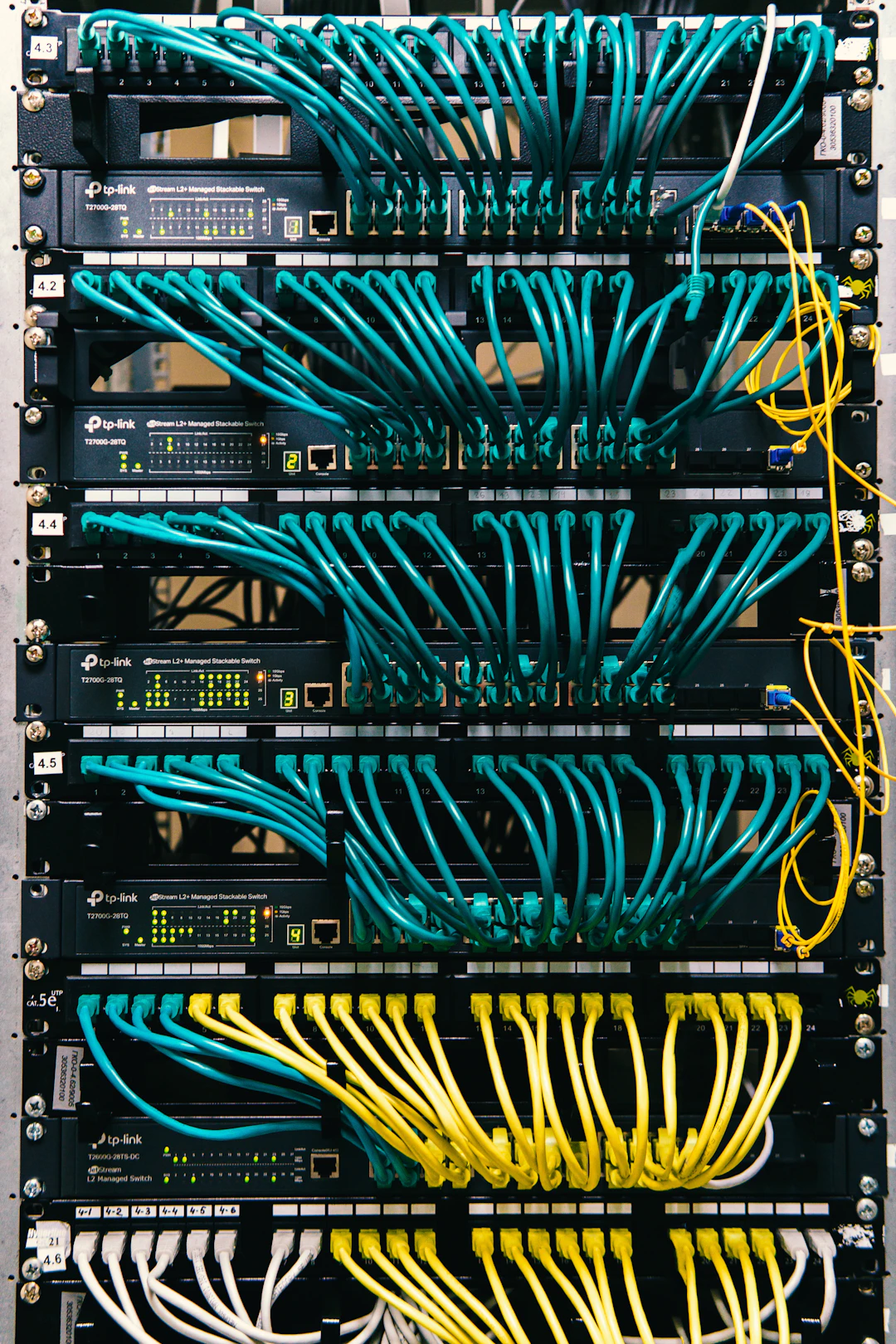
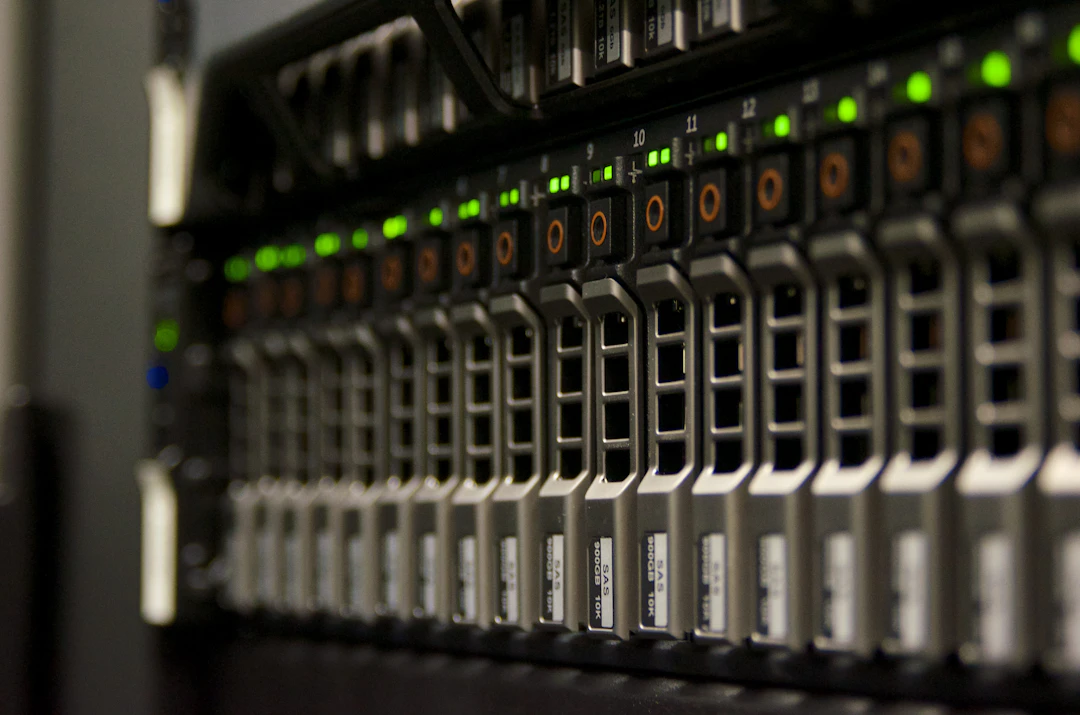
IT infrastructure is a combination of hardware, software, networking, and facilities designed to manage and support a business's IT environment. Depending on the specific requirements of your small business, an IT infrastructure can vary in complexity. However, its core components typically include:
Hardware: Servers, computers, network devices, and storage systems.
Software: Operating systems, applications, and tools that facilitate business operations.
Networking: Connections that enable data communication between devices, including the internet.
Data Management: Systems and protocols for storing, processing, and analyzing data.
Assessing Your Small Business Needs
Before diving into the nuts and bolts of creating an IT infrastructure, small business owners must conduct a thorough needs assessment. Understanding your unique business challenges and goals is crucial. Consider these factors:
Size and Structure: The number of employees and the organizational structure can affect the complexity of the IT infrastructure you’ll need.
Industry Requirements: Specific industries, like healthcare, may have regulatory requirements that influence your IT setup.
Growth Projections: Anticipate future growth and scalability when planning your infrastructure to avoid costly overhauls.
The Role of Managed Services
Managed services refer to the practice of outsourcing the management of IT services to an external provider. This approach is increasingly common among small businesses looking to streamline operations and cut costs. The benefits of managed services include:
24/7 Monitoring: Continuous monitoring of your IT systems to quickly detect and resolve issues.
Cost Efficiency: Predictable monthly costs that reduce the risk of unexpected expenses.
Expertise: Access to skilled professionals with the latest knowledge in technology and cybersecurity.
For further insights on how to choose between in-house and outsourced IT services, explore Deciding Between In House And Outsourced Technology Services A Small Business Perspective.
Embracing Technology Consulting
Technology consulting plays a vital role in guiding small businesses through their digital transformations. Partnering with a technology consulting firm can help identify the tools and strategies necessary to meet your business objectives. Aspects to focus on include:
Technology Mapping: Create a detailed technology roadmap to align with your business strategies. For techniques on crafting your roadmap, see Charting The Future.
Implementation: Successful technology integration encompasses training staff and deploying systems that are user-friendly.
Evaluation: Regular assessments ensure that your technology continually aligns with your evolving business needs.
Data and Analytics: Enhancing Decision Making
Data and analytics have transformed how small businesses operate. By leveraging data insights, companies can make informed decisions that lead to greater operational efficiency. Key advantages of employing data analytics in your infrastructure include:
Improved Customer Insights: Analyzing customer behavior can lead to enhanced customer experiences and targeted marketing strategies.
Operational Efficiency: Discovering bottlenecks through data analysis can streamline processes and enhance productivity.
Strategic Planning: Data helps forecast trends and informs long-term business strategies.
For a deeper understanding of the impact of data analytics in technology services, consider reading The Future Of Data Analytics In Technology Services.
Building Resilience with Robust Cybersecurity
As small businesses increasingly rely on technology, the importance of cybersecurity cannot be overstated. Creating a resilient IT infrastructure requires implementing robust cybersecurity measures to protect sensitive data and maintain compliance, especially in sectors like healthcare. Essential security practices include:
Regular Updates: Ensure all software and systems are up to date to protect against vulnerabilities.
Employee Training: Educate staff on best practices for maintaining security protocols, especially concerning phishing attacks.
Data Backup: Regular backups can recover data in case of cyberattacks or hardware failures.
Adapting to Remote Work Trends
The shift towards remote work has altered how small businesses operate. Adapting your IT infrastructure to support remote employees is vital for ongoing success. Factors to consider include:
Cloud Solutions: Utilize cloud-based systems that enable remote access to data and applications, promoting flexibility.
Collaboration Tools: Implement platforms that enhance communication and collaboration among remote teams.
Security Protocols: Establish secure connections and VPNs for remote employees to ensure data protection.
For insights into managing remote work successfully, check out Managing Remote Work With Technology Services.
Choosing the Right Technologies for Your Infrastructure
With numerous options available, selecting the right technology for your small business’s IT infrastructure can be daunting. Consider the following tips:
Scalability: Opt for technologies that can grow with your business to accommodate future needs.
Integration Capabilities: Ensure new tools can seamlessly integrate with your existing systems, minimizing disruption.
Trial Periods: Whenever possible, take advantage of trial periods to determine if the technology meets your business requirements.
Innovative Technologies to Watch
In the fast-paced world of IT, keeping an eye on emerging trends can give your small business a competitive edge. Some innovative technologies worth noting include:
AI and Machine Learning: These technologies can improve efficiency by automating repetitive tasks and analyzing data patterns.
Internet of Things (IoT): IoT devices can capture real-time data to optimize operations and enhance customer experiences.
Blockchain: Useful in sectors like healthcare, blockchain ensures data security and integrity.
To delve more into how technology services can drive innovation for your small business, you can read How Technology Services Can Drive Innovation For Your Small Business.
Your Path to Seamless IT Infrastructure Awaits!
Creating a seamless IT infrastructure encompasses careful planning and implementation tailored to your small business’s unique needs. By embracing managed services, leveraging data and analytics, ensuring robust cybersecurity, and adapting to new work environments, your organization can position itself for growth in today’s competitive landscape. As you embark on this journey, consider resources like the Enabling Employee AI Use Without Bling Spots eBook, which helps employees use generative AI safely to enhance productivity while maintaining security.
Your commitment to building a strong IT foundation will not only bolster business operations but will also pave the way for sustainable growth and success. The journey may require dedication and ongoing adjustments, but the rewards of a streamlined and effective IT infrastructure are well worth the effort!
Explore these resources to enhance your IT infrastructure. Enabling Employee AI Use Without Bling Spots.
Related Products
Enabling Employee AI Use Without Bling Spots - $79.00 - Help employees gain productivity from approved generative AI use without leaving security leaders guessing about exposure. This practical eBook guide...
FAQs
What is IT infrastructure?
IT infrastructure is a combination of hardware, software, networking, and facilities designed to manage and support a business's IT environment.
Why are managed services important for small businesses?
Managed services help small businesses streamline operations and cut costs by outsourcing IT management, providing 24/7 monitoring, cost efficiency, and access to expert knowledge.
How can data and analytics benefit small businesses?
Data and analytics can improve customer insights, enhance operational efficiency, and inform strategic planning by enabling informed decision-making.
What should small businesses consider for cybersecurity?
Small businesses should implement regular updates, employee training on security protocols, and data backup strategies to protect sensitive information and ensure compliance.
What technologies should small businesses watch for future growth?
Small businesses should consider innovative technologies such as AI and machine learning, the Internet of Things (IoT), and blockchain to enhance efficiency and data security.

Comments