
Harnessing Big Data for Business Success

Overview
Small businesses can leverage big data to improve decision-making, enhance customer understanding, and achieve operational efficiency. By utilizing technology consulting and managed services, they can develop effective data strategies and overcome challenges like data security and resource limitations. Embracing data analytics is crucial for staying competitive and driving growth in today's tech-driven market.
Contents
In the current tech-savvy business landscape, the term "big data" is more than just a buzzword. For small businesses striving for success, harnessing the immense power of data and analytics has become crucial. The ability to gather, analyze, and interpret data can lead to better decision-making, improved customer satisfaction, and ultimately, enhanced business growth. Let’s explore how small businesses can leverage big data to their advantage, particularly in the realms of technology consulting, managed services, and healthcare.
The Rise of Big Data in Small Business
Big data refers to the vast amounts of structured and unstructured data generated by businesses daily. For small businesses, this data can be a treasure trove of insights waiting to be discovered. With effective data and analytics strategies, small business owners can identify trends, optimize operations, and enhance customer experiences.
But how do small businesses harness big data? This is where technology consulting comes into play. By consulting with technology experts, small businesses can develop robust data strategies that align with their goals and objectives. Whether you're seeking to understand customer behavior or enhance operational efficiency, the right technology partner can guide you in using big data effectively.
Benefits of Harnessing Big Data
The integration of big data into small business operations can yield numerous benefits:
Improved Decision-Making: Analyzing data helps small business leaders make informed decisions based on factual information rather than guesswork.
Enhanced Customer Understanding: Data analytics provides insights into customer preferences, behaviors, and pain points, allowing businesses to tailor their offerings accordingly.
Operational Efficiency: With data-driven insights, small businesses can streamline operations, reduce costs, and increase productivity.
Competitive Edge: Utilizing big data allows small businesses to stay ahead of trends, making them more adaptable in a constantly changing market.
Integrating Technology Consulting for Small Business Success
To truly unlock the potential of big data, small businesses should consider technology consulting as a fundamental aspect of their strategy. Technology consultants can provide expert guidance on how to collect, analyze, and leverage data effectively.
If you're interested in understanding how technology services can drive innovation for your small business, be sure to check out this article. You'll see that aligning technology with business strategy is key.
Data Analytics in the Healthcare Sector
The healthcare sector stands to benefit immensely from big data. From patient records to treatment outcomes, the amount of data generated in healthcare is staggering. Small healthcare providers can utilize data analytics to improve patient outcomes, optimize treatment plans, and ensure better resource allocation.
With managed services, healthcare facilities can ensure their technology infrastructure supports their data analytics needs. Managed services providers can help set up secure platforms, analyze data trends, and implement software solutions tailored to healthcare requirements. This frees up healthcare professionals to focus more on patient care rather than IT hassles.
Effective Strategies for Data Collection and Analysis
To successfully harness the power of big data, small businesses must adopt effective data collection and analysis strategies. Consider the following methods:
Utilize Surveys and Feedback: Regularly collect customer feedback through surveys to gain insights into their preferences, needs, and pain points.
Leverage Social Media Analytics: Monitor social media platforms to understand customer sentiment and engagement levels.
Implement Customer Relationship Management (CRM) Tools: These tools can gather data on customer interactions, aiding businesses in understanding their journeys.
Use Web Analytics: Track website traffic and user behavior to optimize the online customer experience.
Transforming Data into Actionable Insights
Once data is collected, the next step involves transforming it into actionable insights. This step is crucial for making informed decisions. Here’s how small businesses can effectively analyze and utilize their data:
Identify Key Performance Indicators (KPIs): Establish KPIs that align with your business objectives to measure success.
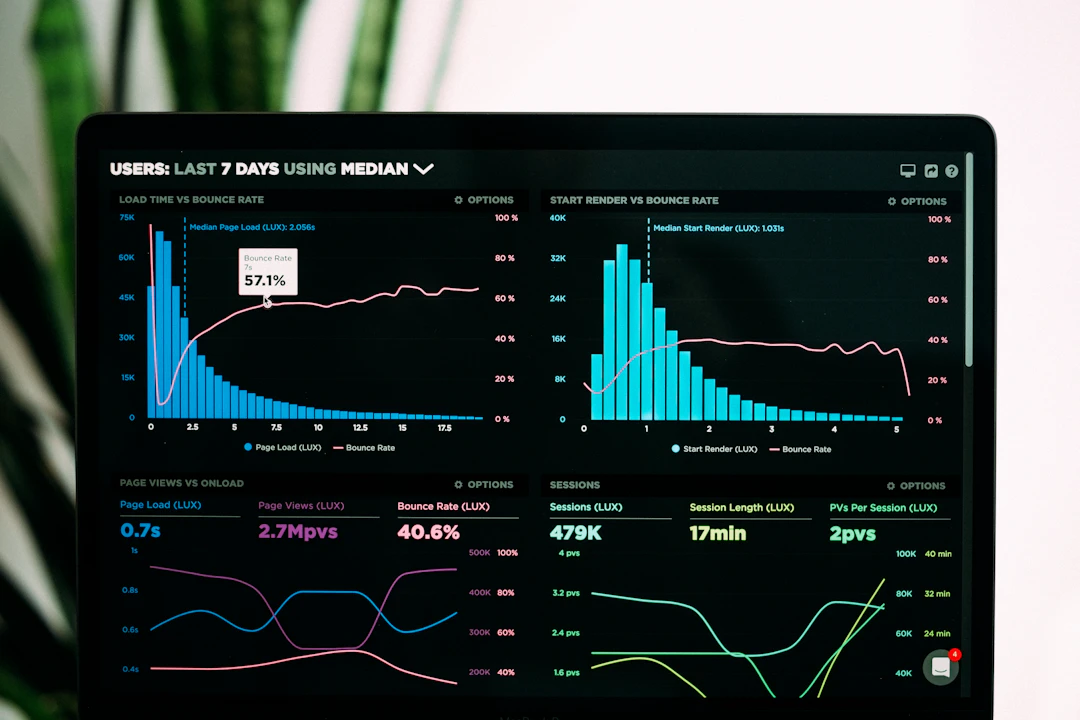
Utilize Visualization Tools: Employ data visualization tools to present data in an easily digestible format, helping stakeholders grasp insights quickly.
Regularly Review Data: Set up a routine to review data analytics reports to stay updated on performance and areas that require attention.
Investing in Managed Services for Data Management
For small businesses, investing in managed services is an effective way to offload the complexities of data management and analytics. Managed services provide ongoing support and expertise in maintaining your data systems, allowing you to focus on what you do best—running your business.
To explore how managed services can help drive a small business’s success, refer to this insightful blog. You'll discover how outsourcing certain technology services can lead to greater efficiency.
Challenges in Harnessing Big Data
While there are undeniable benefits, small businesses also face challenges when utilizing big data:
Data Security: Ensuring data protection is a priority, particularly in industries such as healthcare where sensitive information is involved.
Resource Limitations: Small businesses may lack the staff or budget to adequately manage data analytics efforts.
Data Overload: Without clear strategies, businesses risk drowning in data without reaching actionable conclusions.
Overcoming these challenges requires a strategic approach and possibly engaging with consultants who specialize in data management and analysis.
The Future of Big Data in Small Business
The landscape of big data is continually evolving, and small businesses need to stay ahead of the curve. Emerging technologies, such as artificial intelligence and machine learning, are set to revolutionize the way businesses analyze data. For instance, applying AI in data analytics can uncover patterns that would otherwise go unnoticed.
Small businesses that embrace these technological advancements are likely to experience substantial benefits. As a recommendation, consider resources like the eBook Enabling Employee AI Use Without Bling Spots, which will help your employees utilize AI effectively while maintaining security.
Your Gateway to Business Growth
In a world driven by data, small businesses must harness the power of big data to stay competitive and achieve success. By thoughtfully integrating technology consulting and managed services into your business strategy, you can unlock valuable insights that lead to enhanced decision-making, improved customer satisfaction, and sustainable growth.
Incorporating data-driven practices not only positions your business for success today but also prepares you for the challenges of tomorrow. As you delve into the powerful world of big data, remember that with the right tools and strategies, even the smallest businesses can make significant strides in their industries.
Explore these resources to enhance your business's data strategy. Enabling Employee AI Use Without Bling Spots.
Related Products
Enabling Employee AI Use Without Bling Spots - $79.00 - Help employees gain productivity from approved generative AI use without leaving security leaders guessing about exposure. This practical eBook guide...
FAQs
What is big data and why is it important for small businesses?
Big data refers to the vast amounts of structured and unstructured data generated by businesses daily. It is important for small businesses because it can provide insights that lead to better decision-making, improved customer satisfaction, and business growth.
How can small businesses leverage big data?
Small businesses can leverage big data by developing effective data and analytics strategies, often with the help of technology consulting, to identify trends, optimize operations, and enhance customer experiences.
What are the benefits of harnessing big data in small businesses?
The benefits include improved decision-making, enhanced understanding of customer preferences, operational efficiency, and gaining a competitive edge in the market.
What challenges do small businesses face when utilizing big data?
Challenges include data security, resource limitations, and data overload, which can hinder the ability to derive actionable insights from data.
How can managed services aid small businesses in managing big data?
Managed services provide ongoing support and expertise in maintaining data systems, allowing small businesses to focus on their core operations while efficiently managing their data analytics needs.
Comments