
Overcoming the Digital Divide: Common Technology Challenges Faced by Businesses

Overview
Small businesses face significant technology challenges, including infrastructure limitations, data management issues, cybersecurity threats, resource allocation dilemmas, and the need for ongoing employee training. Managed services and technology consulting can help overcome these obstacles, particularly in sectors like healthcare. Staying updated with emerging trends and investing in employee education are essential for long-term success and operational efficiency.
Contents
In today's fast-paced corporate landscape, technology serves as the backbone of operations for small businesses. However, various technology challenges can hinder growth and efficiency. This article will explore the most common difficulties faced by businesses when it comes to technology, emphasizing the importance of managed services, technology consulting, data and analytics, and specific challenges within healthcare.
Understanding the Technology Landscape
As companies strive to integrate modern technology into their operations, they often encounter multiple hurdles. From staying up-to-date with emerging technologies to effectively managing data, it can become overwhelming. Below is a breakdown of the common technology challenges businesses face:
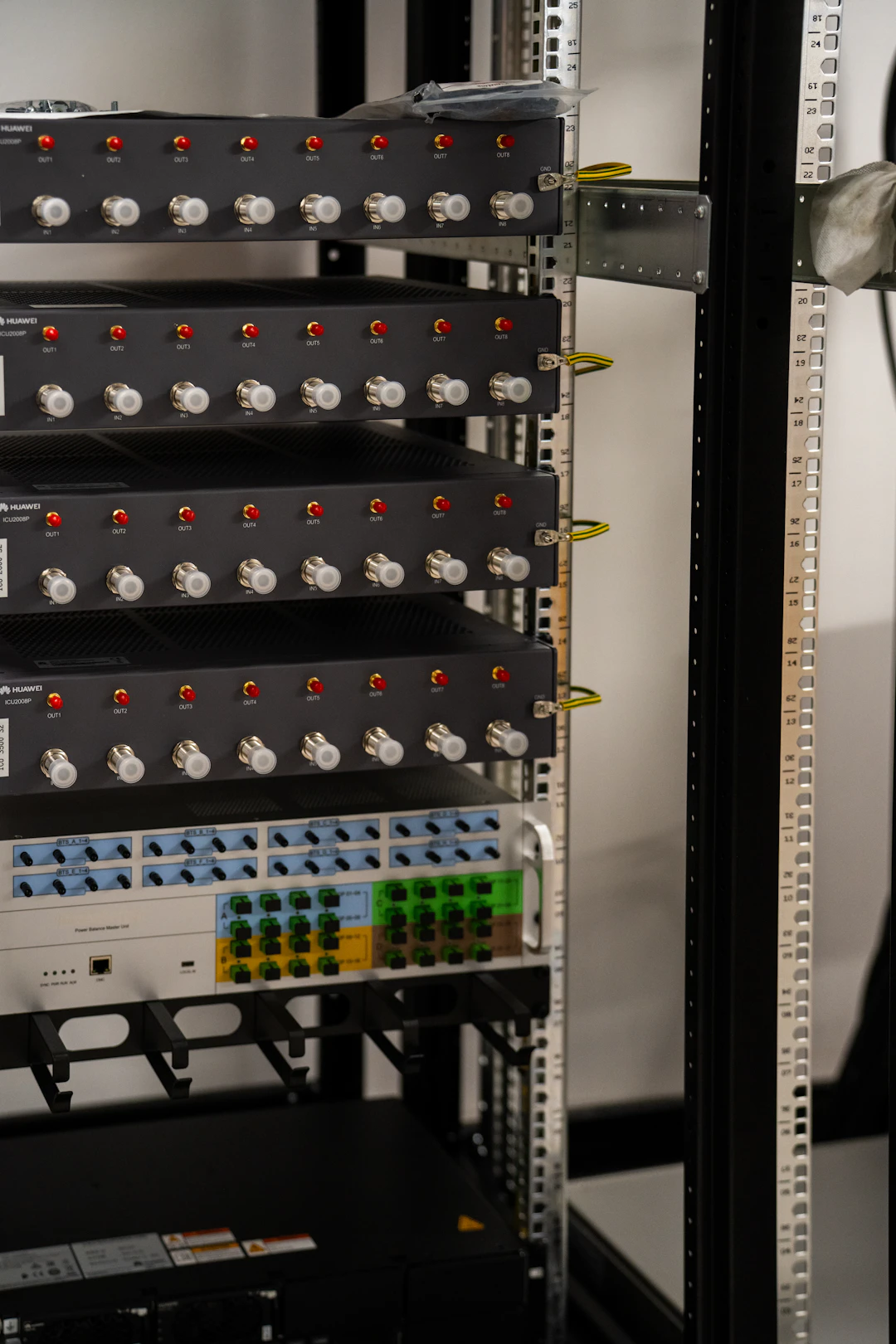
Infrastructure Limitations: Many small businesses start with limited infrastructure that can stifle growth. Outdated systems and software may work initially but can fall short as the business expands.
Data Management: With the influx of data generated every day, many companies struggle to turn it into meaningful insights. Effective data and analytics are crucial for informed decision-making.
Cybersecurity Threats: Small to medium-sized enterprises are often targets for cyber attacks due to perceived weaknesses in their security measures.
Resource Allocation: Businesses frequently grapple with the question of whether to outsource technology services or manage them in-house. This decision can significantly impact operational efficiency.
Employee Training: As technology evolves, ongoing training becomes necessary to ensure employees are well-equipped to use new tools and platforms effectively.
Cybersecurity: A Growing Concern
In the realm of technology challenges, cybersecurity remains at the forefront. Small businesses often underestimate the risk they face from cybercriminals, which can lead to severe consequences. According to various studies, a significant percentage of companies that experience a data breach fail to recover.
The implementation of robust cybersecurity measures is vital. Here are some strategies.
Regularly update software to patch vulnerabilities.
Conduct frequent security audits to assess risks.
Utilize managed services to benefit from expert maintenance and support.
Educate employees about safe online practices.
The Role of Managed Services
When it comes to overcoming technology challenges, managed services can provide a significant advantage, particularly for small businesses. By outsourcing IT management, companies can focus on their core competencies while gaining access to advanced technology expertise.
Data Management and Analytics: Driving Informed Decisions
Effective management of data can be a game-changer for small businesses. However, many struggle with harnessing the full potential of data and analytics. Here’s how businesses can tackle this challenge:
Implement Data Platforms: Utilizing advanced data platforms can help in storing, processing, and analyzing data efficiently.
Define Clear Metrics: Establishing specific metrics will guide data usage towards actionable insights.
Seek Expert Guidance: Engaging in technology consulting services can provide the necessary expertise and tools to effectively manage data.
Healthcare Sector Challenges
The healthcare industry presents unique technology challenges. Compliance with regulations, effective data management, and enhancing patient engagement are just a few. Traditional healthcare models must evolve to keep pace with technological advancements.
Emphasizing data and analytics is essential for improving patient outcomes. By leveraging technology consulting within this industry, healthcare providers can enhance operational efficiency while ensuring patient data is secure.
Resource Allocation: Outsourcing vs. In-House Services
One major dilemma that small businesses face is whether to keep technology services in-house or outsource them. Each option has its benefits and drawbacks, affecting productivity and overall management.
In-house management allows companies to retain control over their systems. However, it can be resource-intensive, requiring significant investment in staff and technology. Conversely, outsourcing to a reliable managed service provider can yield cost savings and access to advanced technology, as detailed in this guide.
The Importance of Training
No matter the chosen path for technology management, adequate training for employees is crucial. Understanding new technologies is essential in making informed decisions and optimizing business operations.
With the rapid pace of technological advancement, providing continuous education can lead to higher employee engagement and overall job satisfaction. Companies can even consider resources like the eBook, Enabling Employee AI Use Without Bling Spots, that focus on effectively integrating AI into daily operations.
Emerging Trends in Technology Services
As the digital landscape continues to evolve, small businesses must stay ahead of emerging trends. From automation to enhanced data analytics capabilities, keeping an eye on the future is critical.
For example, automation is poised to reshape how businesses operate by improving efficiency and reducing manual tasks. By taking the initiative to adapt to these advancements, small businesses can foster better customer experiences and streamline operations.
Keeping up with technological trends can be challenging, but resources such as Emerging Trends in Technology Services provide insights that can shape a successful strategy.
Going Beyond the Technology Challenges
Addressing technology challenges does not merely benefit operational efficiency; it influences the overall growth trajectory of a small business. By recognizing the importance of managed services, data analytics, and ongoing employee training, organizations can transcend obstacles.
Furthermore, integrating technology into the core operational strategy will facilitate innovation, enhance productivity, and improve customer satisfaction. As small businesses overcome these challenges, they become more adaptable and ready for the future.
Ultimately, navigating the technology landscape requires strategic planning, expert guidance, and continuous learning. By taking these proactive steps, businesses can lay down a solid foundation for long-term success, ensuring they remain competitive in an increasingly digital world.
Ready to embrace the future and optimize your operations? Consider leveraging technology consulting and managed services to navigate your business journey!
Explore these resources to enhance your business's tech strategy. Enabling Employee AI Use Without Bling Spots.
Related Products
Enabling Employee AI Use Without Bling Spots - $79.00 - Help employees gain productivity from approved generative AI use without leaving security leaders guessing about exposure. This practical eBook guide...
FAQs
What are the common technology challenges faced by businesses today?
Common technology challenges include infrastructure limitations, data management issues, cybersecurity threats, resource allocation dilemmas, and the need for employee training.
How can managed services help small businesses overcome technology challenges?
Managed services can provide expert IT management, allowing small businesses to focus on their core operations while ensuring they have access to the latest technology and support.
Why is data management important for small businesses?
Effective data management is crucial as it helps businesses transform data into meaningful insights, driving informed decision-making and improving operational efficiency.
What cybersecurity measures should small businesses implement?
Small businesses should regularly update software, conduct security audits, utilize managed services, and educate employees on safe online practices to safeguard against cyber threats.
How does ongoing employee training impact technology management in businesses?
Ongoing employee training is vital for ensuring that staff are equipped to use new technologies effectively, which can lead to higher engagement, productivity, and overall business performance.


Comments